Saving vs. Spending: The Great Economic Debate!
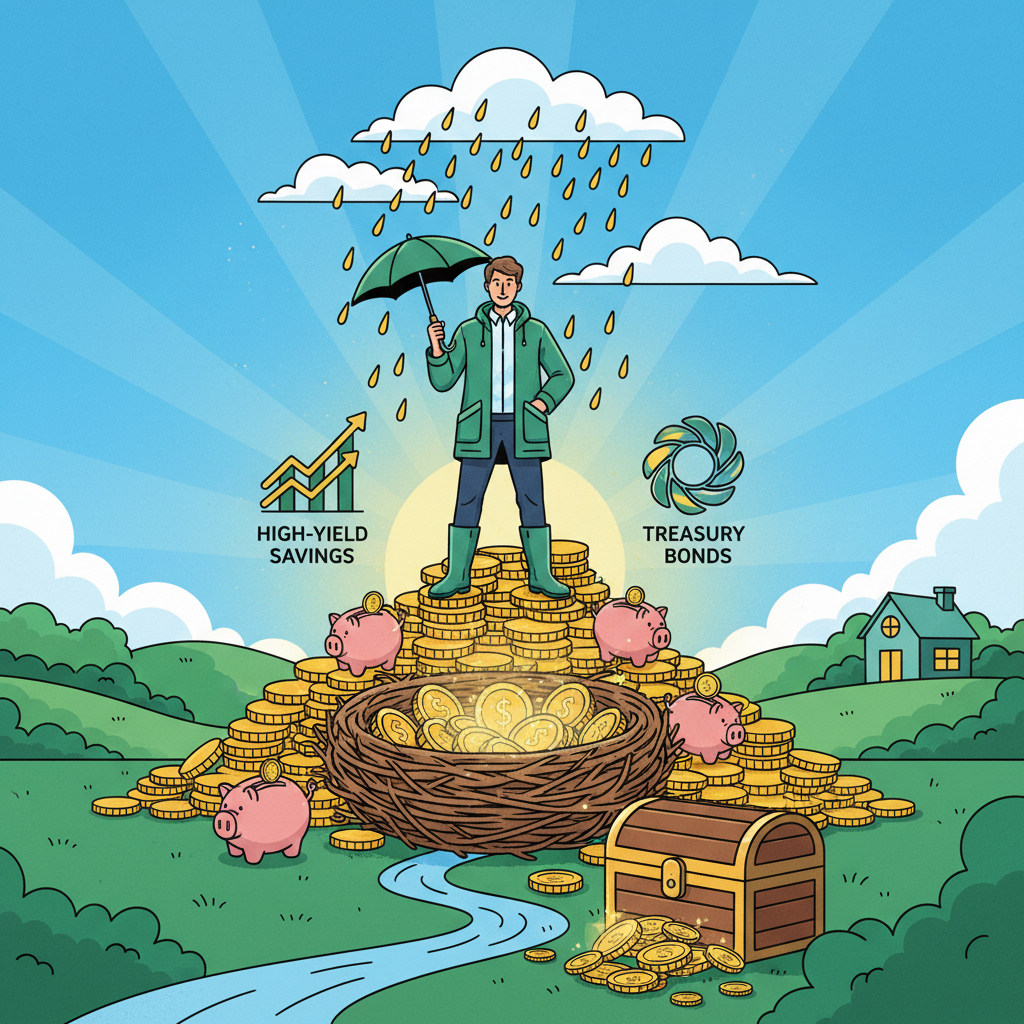
The Savvy Saver
Always planning for a rainy day, building that nest egg, and maybe even enjoying the sweet returns of high-yield savings or Treasury bonds.

The Free-Spirited Spender
Living in the moment, enjoying that new gadget, or investing in experiences – because you can't take it with you!
Cast your vote
Too close to call
This timeless debate pits financial prudence and long-term security against the immediate gratification and experiential richness of living in the present. Both approaches offer unique benefits and drawbacks, reflecting different philosophies towards money and life.
The metrics that matter
Future Financial Security
High - Builds a safety net, retirement funds, and capital for future goals.
Low to Moderate - Prioritizes current needs/wants, potentially leaving less for future uncertainties.
Immediate Life Enjoyment/Experiences
Moderate - Often defers gratification, focusing on future rewards; experiences may be limited to what's 'budgeted'.
High - Enables pursuit of passions, purchases, and experiences that enhance current quality of life.
Potential for Wealth Growth
High - Saved funds can be invested, potentially growing significantly over time through compounding.
Low - Funds are consumed, not invested for growth, though some spending (e.g., education) can be an investment in human capital.
Economic Impact (Individual Level)
Builds personal capital for investment and stability, potentially benefiting future generations.
Stimulates demand, supports businesses, and circulates money within the current economy.
Risk Exposure
Lowered - A cushion protects against unexpected expenses, job loss, or medical emergencies.
Higher - Without savings, unexpected events can lead to debt or financial hardship.
The Savvy Saver
Pros
- Provides a strong financial safety net for emergencies and unforeseen events.
- Enables achievement of long-term goals like homeownership, education, or comfortable retirement.
- Offers peace of mind and reduces financial stress.
- Allows for potential wealth accumulation through investment returns.
Cons
- May lead to deferred gratification and missing out on immediate experiences.
- Excessive saving can lead to an overly frugal lifestyle, impacting current quality of life.
- Inflation can erode the purchasing power of savings if not invested wisely.
The Free-Spirited Spender
Pros
- Enhances current quality of life through experiences, possessions, and comfort.
- Supports industries and local businesses, stimulating the economy.
- Can be an 'investment' in oneself (e.g., education, travel for personal growth).
- Living in the moment can lead to a richer, more fulfilling present.
Cons
- Can lead to financial insecurity, debt, and stress if not managed carefully.
- May hinder the ability to achieve significant long-term financial goals.
- Purchased goods often depreciate, and experiences, while valuable, don't build financial assets.
- Lack of a safety net makes one vulnerable to economic downturns or personal crises.
Neither saving nor spending is inherently superior; a balanced approach is key. Pure saving can lead to a deprived present, while pure spending can lead to an insecure future. The optimal strategy often involves a thoughtful blend of both: saving enough for security and future goals, while also consciously spending on experiences and items that genuinely enrich one's current life. The 'lean' depends heavily on an individual's life stage, income, and personal priorities.
AI verdicts are opinion, not fact. Your vote counts more.
Debate (0)
Loading…