Foldable Tech: Slim & Sleek vs. Wide & Immersive
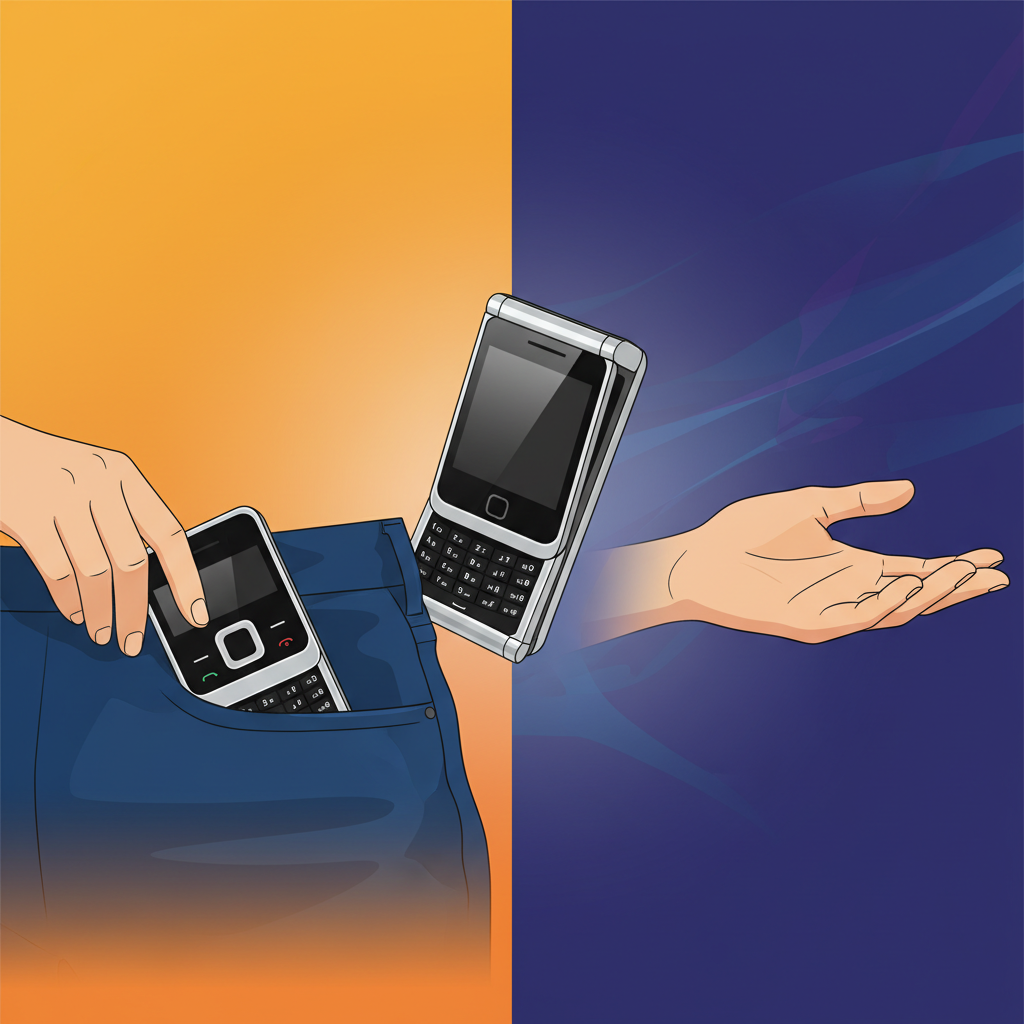
Classic Foldable Phones
The OG sleek, pocket-friendly design that folds down to half its size for ultimate portability.
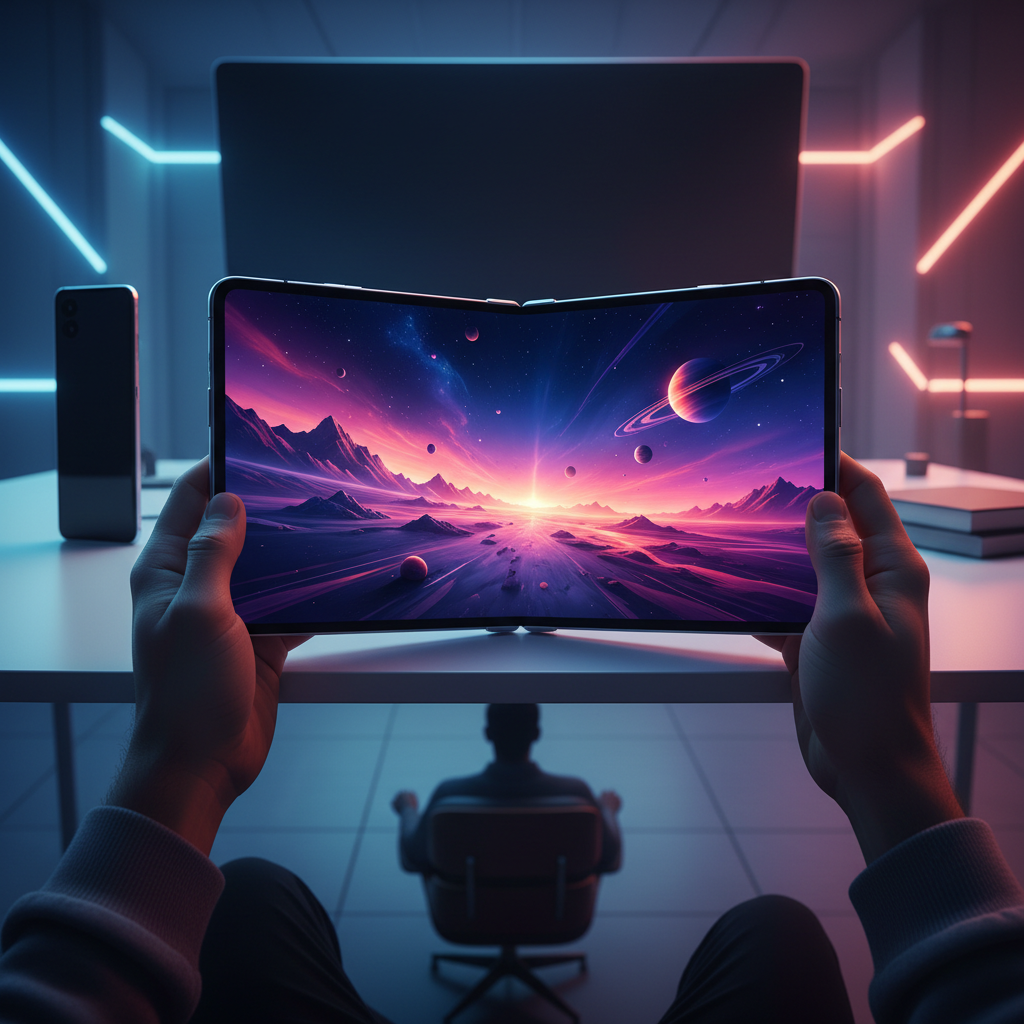
Wide-Screen Foldable Phones
The latest trend: a wider, more tablet-like display when unfolded, offering a truly immersive viewing experience.
Cast your vote
Too close to call
This matchup compares two distinct philosophies in foldable phone design: the classic 'clamshell' or 'flip' style (Side A) focusing on ultimate portability, versus the newer 'book' style (Side B) prioritizing a large, tablet-like immersive experience when unfolded. Both offer unique benefits and drawbacks depending on user priorities.
The metrics that matter
Portability & Pocketability
Folds into a very compact, small form factor, easily fitting into most pockets or small bags.
When folded, it's thicker and wider than a traditional smartphone, making it less discreet in pockets.
Unfolded Screen Experience
Offers a traditional smartphone screen size, often in a more elongated aspect ratio, good for single-hand use.
Unfolds into a much larger, nearly square or wide aspect ratio display, akin to a small tablet, ideal for media and multitasking.
Durability & Crease Visibility
Often has a more pronounced crease due to the tight fold; smaller display means less surface area to accidentally damage when open.
Crease is usually less noticeable across a wider display; however, the larger unfolded screen is more exposed to potential damage.
Price Point (General Trend)
Generally more accessible and often priced lower than their wide-screen counterparts, making them an entry point to foldables.
Typically represents the premium end of the foldable market, commanding higher prices due to advanced engineering and larger displays.
Productivity & Multitasking
Standard smartphone screen size limits split-screen use; better for quick tasks and communication.
Excellent for side-by-side apps, document viewing, and complex tasks, truly bridging phone and tablet functionality.
Classic Foldable Phones
Pros
- Unbeatable portability, fits almost anywhere.
- Compact and stylish 'flip' factor for calls.
- Generally more affordable entry into foldable tech.
- Often includes a useful external display for notifications and quick interactions.
Cons
- Smaller unfolded screen limits immersive media or intense multitasking.
- Battery life can sometimes be constrained by smaller size.
- Crease on the main display is often more noticeable.
Wide-Screen Foldable Phones
Pros
- Large, immersive, tablet-like display when unfolded.
- Exceptional for productivity, multitasking, and media consumption.
- Often boasts top-tier camera systems and performance specs.
- Can effectively replace both a smartphone and a small tablet.
Cons
- Higher price point makes it less accessible.
- Thicker and heavier, making it less pocket-friendly.
- Larger display is more susceptible to damage and wear.
This is a quintessential 'different tools for different jobs' scenario, leading to a tie. Classic Foldable Phones excel in portability and fashion, perfect for users prioritizing compactness and quick use. Wide-Screen Foldable Phones, conversely, are powerhouses for productivity and immersive media, ideal for those who want a tablet in their pocket and don't mind the added bulk or cost. The 'best' choice entirely depends on individual lifestyle and priorities, making a definitive lean impossible.
AI verdicts are opinion, not fact. Your vote counts more.
Debate (0)
Loading…