Staying Private vs. The Big Tech IPO

Staying Private
Zero quarterly earnings pressure, freedom to prioritize long-term vision, and avoiding Wall Street panic over every headline.
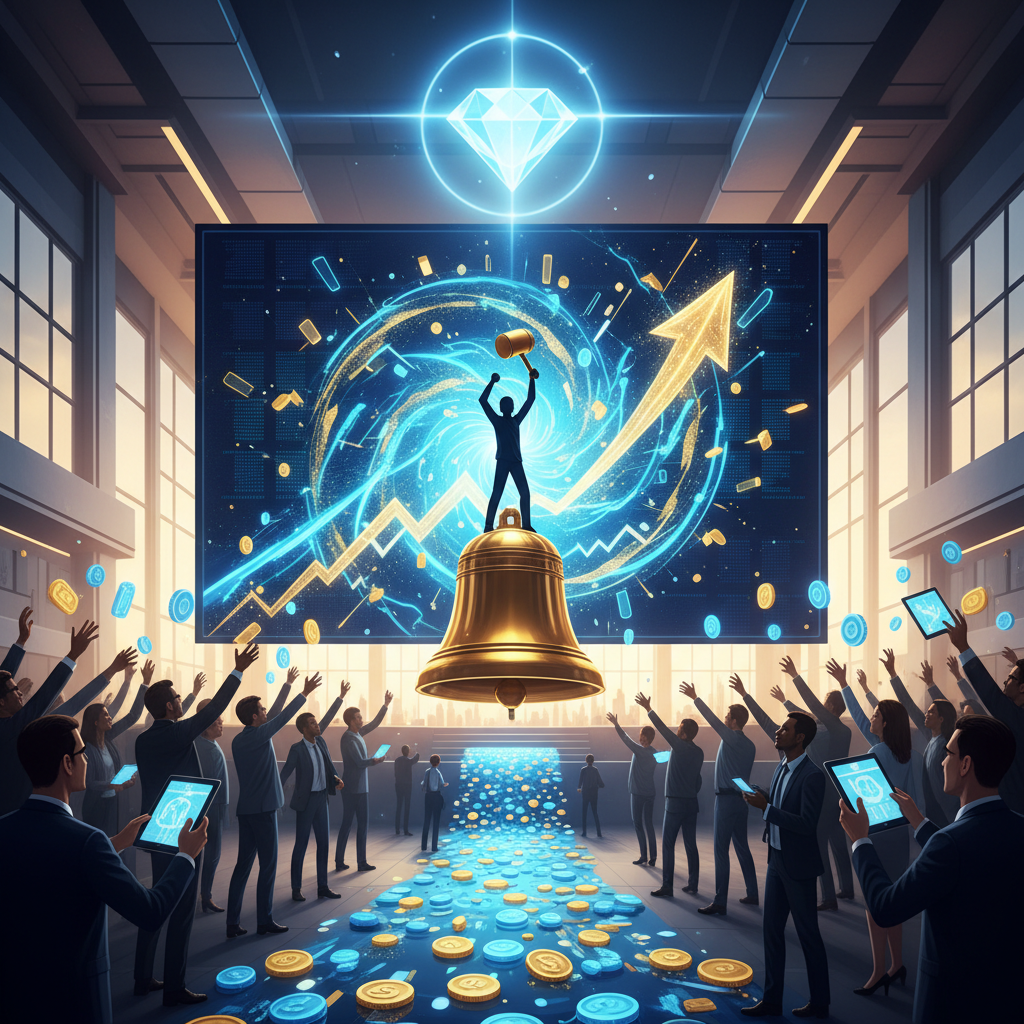
The Big Tech IPO
Ringing the iconic opening bell, unlocking sweet employee liquidity, and basking in the prestige of a mega-cap ticker symbol.
Cast your vote
Too close to call
Staying private offers the sanctuary of long-term vision away from Wall Street's ninety-day mood swings, while going public delivers unmatched liquidity, massive capital access, and the undeniable prestige of a shiny ticker symbol.
The metrics that matter
Strategic Autonomy
High: Focus on multi-year bets without quarterly analyst grillings
Moderate: Every strategic shift is dissected by the public market
Liquidity & Currency
Limited: Relies on tender offers and secondary market gymnastics
Instant: Liquid shares allow easy wealth creation and M&A currency
Regulatory & Scrutiny Burden
Low: Books remain private and executive pay stays quiet
High: Endless 10-Ks, SOX compliance, and shareholder litigation risks
Talent Attraction Power
Great for mission-driven purists who hate public market drama
Irresistible for top talent demanding liquid stock packages
Staying Private
Pros
- Complete freedom from the 90-day earnings circus and hyper-reactive short sellers
- Confidentiality around margins, product roadmaps, and internal metrics
- Ability to make painful, long-term strategic pivots without a stock price collapse
Cons
- Employees can face years of 'golden handcuffs' with illiquid equity
- Restricted to private capital pools, which can dry up during downturns
The Big Tech IPO
Pros
- Instant, deep liquidity for early employees, founders, and venture backers
- Massive public currency to finance mega-acquisitions and borrow cheaply
- Universal brand credibility and the cultural cachet of ringing the bell
Cons
- Vulnerable to activist investors, shareholder lawsuits, and market panics
- Substantial legal, auditing, and compliance overhead year-round
Neither path is objectively superior; it comes down to capital needs and corporate temperament. Staying private protects visionary, slow-cooking innovation from market hysteria, whereas an IPO remains the ultimate liquidity event and capital engine for ambitious scaling.
AI verdicts are opinion, not fact. Your vote counts more.
Debate (0)
Loading…